

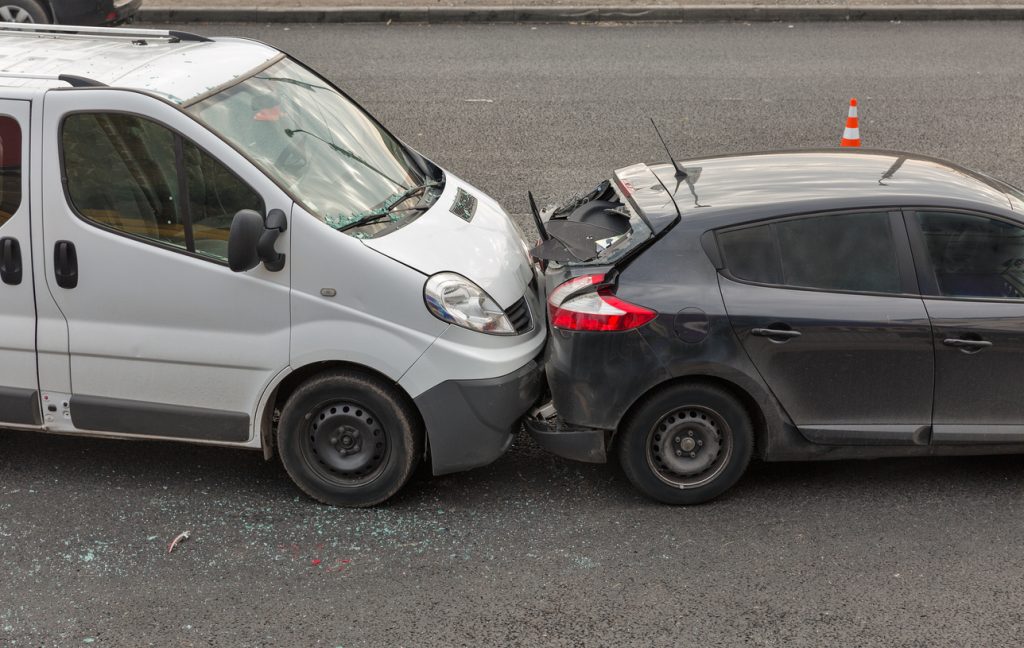
Getting hit from behind is one of the most jarring experiences a driver can face. One moment you are sitting at a red light or slowing down in traffic, and the next, you are dealing with a crumpled bumper, a stiff neck, and a head full of questions. One of the first things people want to know after a rear-end collision is simple: who is responsible?
In Texas, the answer is usually straightforward, but not always. While the driver in the back is often at fault, there are situations where liability is shared or even shifted entirely. Understanding how Texas law handles these cases can make a real difference in whether you walk away with fair compensation or nothing at all.
The General Rule: The Rear Driver Is Usually at Fault
Texas follows a fault-based system for car accidents, which means the person who caused the crash is responsible for covering the damages. In rear-end collisions, the trailing driver is typically found at fault. The reasoning behind this is grounded in basic driving responsibility.
Every driver in Texas is expected to:
- Maintain a safe following distance from the vehicle ahead
- Pay attention to traffic conditions and road hazards
- Brake in time to avoid a collision under normal circumstances
- Adjust speed appropriately for weather, visibility, and traffic
When a driver fails to do any of these things and strikes the car in front of them, it is generally considered negligence. Insurance companies, police officers, and courts in Texas tend to start from this assumption when investigating a rear-end crash.
Texas Negligence Law and How It Works
Texas uses a legal standard called modified comparative negligence. This means that more than one person can share fault in an accident, and each party’s compensation is reduced by their percentage of responsibility.
Here is the important part: if you are found to be more than 50 percent at fault for the accident, you cannot recover any compensation at all. This rule applies in Dallas-Fort Worth and across the entire state, including the Rio Grande Valley.
So even in a rear-end collision where the driver behind you is clearly at fault, the other side may try to argue that you share some of the blame. That is why it matters so much to understand what can shift or complicate fault in these cases.
When the Front Driver Could Share the Blame
While the rear driver is often the one held responsible, there are real situations where the lead driver contributed to the crash. Texas law allows fault to be distributed when evidence supports it.
Some examples where the front driver may share liability include:
- Sudden and unexpected lane cuts: If a driver cuts sharply in front of another vehicle without leaving adequate space, the rear driver may have had no reasonable chance to stop in time
- Brake checking: Intentionally slamming on the brakes to provoke or intimidate a following driver is both dangerous and potentially legally actionable
- Broken or non-functional brake lights: If the lead vehicle had no working tail lights, the driver behind had no warning that a slowdown was occurring
- Reversing unexpectedly: A driver who reverses into traffic or into a parking lane without checking behind them can be held responsible for any resulting collision
- Stopping on a highway without cause: Coming to a complete stop in a lane of fast-moving traffic for no legitimate reason can be considered negligent driving
These are not excuses to avoid responsibility. They are legally recognized factors that investigators and courts weigh when determining how fault should be distributed between both parties.
What About Multi-Vehicle Rear-End Crashes?
Rear-end collisions do not always involve just two cars. In heavy traffic on highways like I-35 in the Dallas-Fort Worth area or US-83 through the Rio Grande Valley, chain-reaction crashes happen more than people realize.
In a multi-vehicle pileup, faults can become complicated quickly. For example, if Driver A is struck from behind by Driver B, and Driver B was pushed forward by Driver C, then Driver C may carry the most liability. However, if Driver B was already following too closely before Driver C hit them, both Driver B and Driver C could share fault.
Investigating these crashes requires looking at:
- The speed and position of each vehicle at the time of impact
- Whether any driver had adequate space to stop or maneuver
- Traffic camera or dashcam footage when available
- Witness accounts from other drivers or bystanders
- The sequence of collisions as recorded in the police report
These cases are not always easy to sort out without legal help, and insurance companies are often quick to minimize their clients’ responsibility.
Common Injuries in Rear-End Collisions
Rear-end crashes might seem minor compared to head-on collisions, but the injuries they cause can be serious and long-lasting. The sudden, unexpected nature of being struck from behind gives your body no time to brace properly.
Injuries commonly seen in these accidents include:
- Whiplash: The rapid back-and-forth snapping of the neck is the most well-known rear-end injury, and it can cause pain, stiffness, and limited range of motion for weeks or months
- Herniated discs: The force of impact can push spinal discs out of position, leading to nerve compression and radiating pain
- Traumatic brain injuries: Even without hitting your head on the steering wheel, the sudden jolt can cause your brain to shift inside the skull
- Back and lumbar injuries: Lower back injuries are common and can interfere with work, daily activity, and quality of life
- Seatbelt injuries: The restraint system saves lives, but it can also cause bruising, soft tissue damage, and rib injuries during a high-force impact
Some of these injuries do not appear immediately. People often feel fine in the hours after a crash and then wake up the next day in significant pain. This is why it is always wise to seek medical attention promptly after any rear-end collision, even a seemingly minor one.
What Damages Can You Recover in Texas?
If you were rear-ended and another driver was at fault, Texas law allows you to seek compensation for both economic and non-economic damages.
Economic damages are the tangible, measurable losses you have experienced:
- Medical bills, including emergency care, surgeries, therapy, and ongoing treatment
- Lost wages if your injuries kept you away from work
- Future earning capacity if your injuries affect your ability to work long-term
- Vehicle repair or replacement costs
- Out-of-pocket expenses related to your recovery
Non-economic damages cover the less visible but equally real impact of the crash:
- Physical pain and suffering
- Emotional distress and anxiety
- Loss of enjoyment of life
- Disfigurement or permanent disability
In cases where the at-fault driver acted with gross negligence or recklessness, such as street racing or driving while intoxicated, Texas courts can also award punitive damages. These are meant to punish the wrongdoer and deter similar behavior, not just compensate the victim.
Steps to Take After a Rear-End Collision in Texas
What you do in the hours and days after a crash can directly affect the strength of your claim. Here are the steps that matter most:
- Call 911 and stay at the scene: A police report creates an official record of the accident and is one of the most important documents in any injury claim
- Document everything at the scene: Photograph the vehicles, the road, any skid marks, traffic signs, and any visible injuries before vehicles are moved
- Exchange information: Get the other driver’s name, contact details, insurance information, and license plate number
- Gather witness information: If bystanders saw the crash, their contact information and statements can be valuable later
- Seek medical care promptly: Going to the doctor not only protects your health but also creates a medical record that links your injuries to the accident
- Avoid giving recorded statements to insurance companies: The other driver’s insurance adjuster is not on your side and may use your words to minimize your claim
- Contact an attorney before accepting any settlement: Initial settlement offers are often far lower than what an experienced attorney can negotiate on your behalf
How Insurance Companies Handle These Claims
Texas is an at-fault state, which means you file a claim with the at-fault driver’s liability insurance rather than your own, though you do have the option to use your own coverage in some situations.
Insurance companies are businesses, and their goal is to pay out as little as possible. Even when fault seems obvious, adjusters may dispute the extent of your injuries, argue that your medical treatment was excessive, or claim that a pre-existing condition caused your pain rather than the accident itself.
In the Rio Grande Valley and Dallas-Fort Worth, these disputes happen regularly, and they can drag on for months without an advocate in your corner. Having legal representation sends a clear signal that you are serious about your claim and that you will not accept a lowball offer.
Take the Next Step Toward the Compensation You Deserve
A rear-end collision can turn your life upside down in seconds, and sorting out fault, dealing with insurance companies, and recovering from your injuries all at the same time is a heavy burden to carry alone. Whether you were hit on a busy Dallas expressway or a highway stretching through the Rio Grande Valley, you deserve to know your rights and have someone in your corner who will fight for them. D&Z Law Firm is here to help you understand your options, build a strong case, and pursue the full compensation Texas law allows. Do not wait until the insurance company has already shaped the narrative. Reach out today and take the first step toward getting your life back on track.